


Tour
Realm of Red Panda

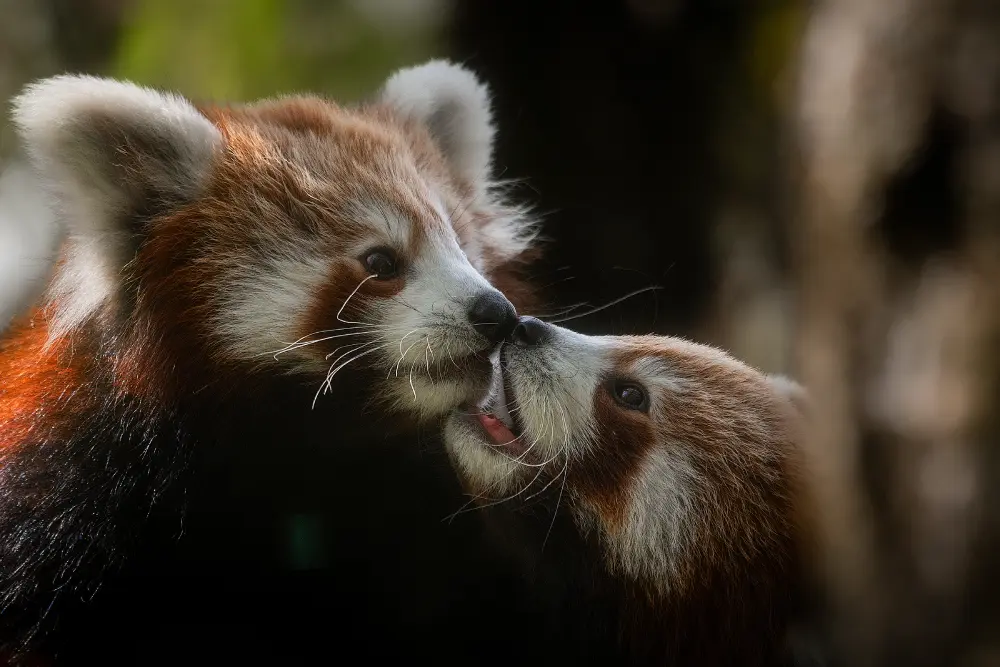
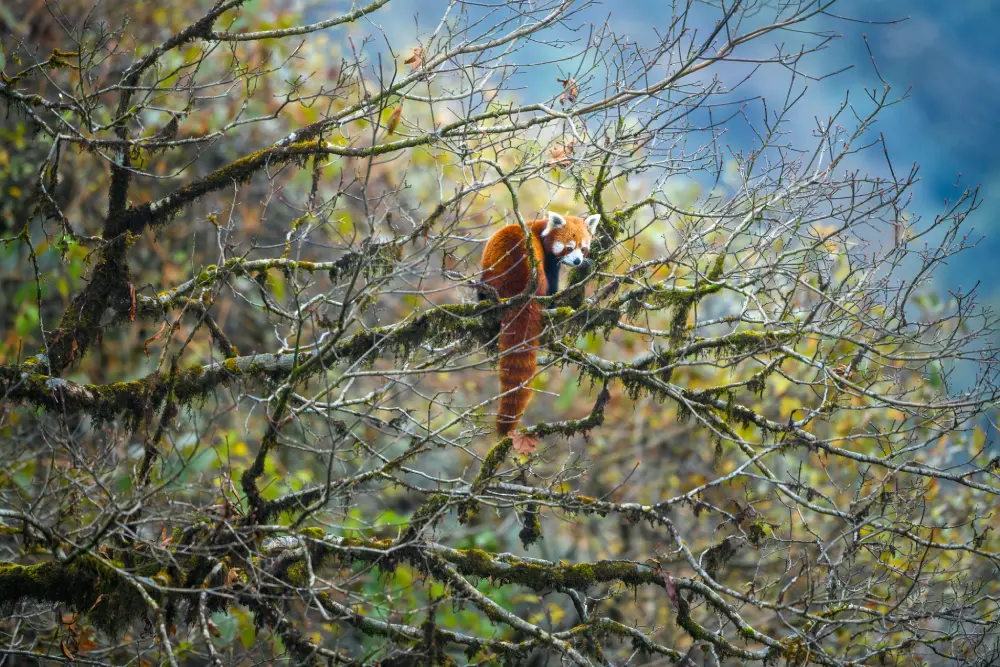
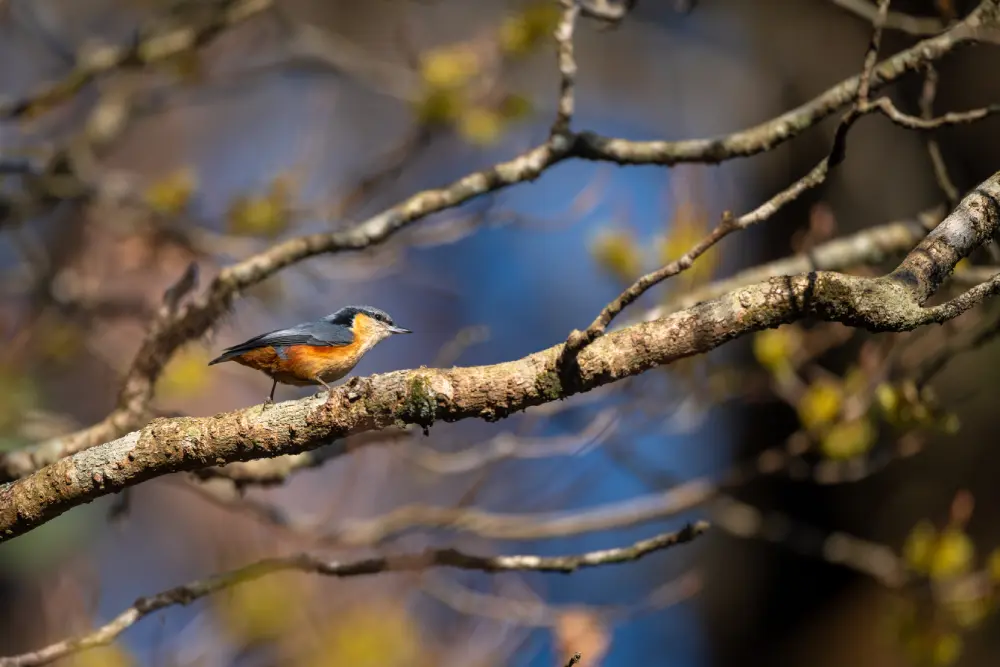
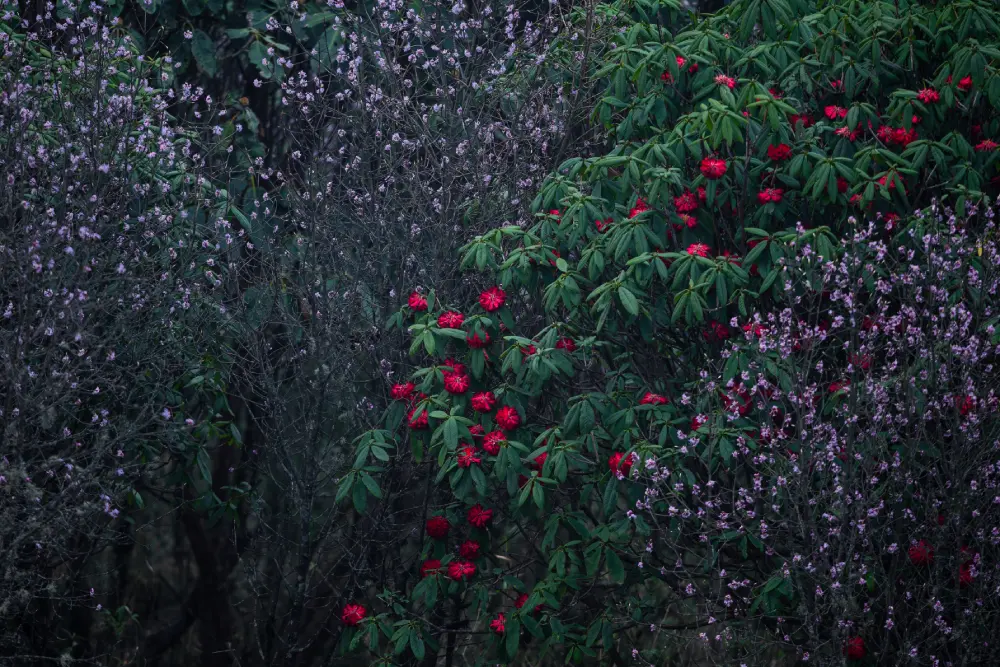
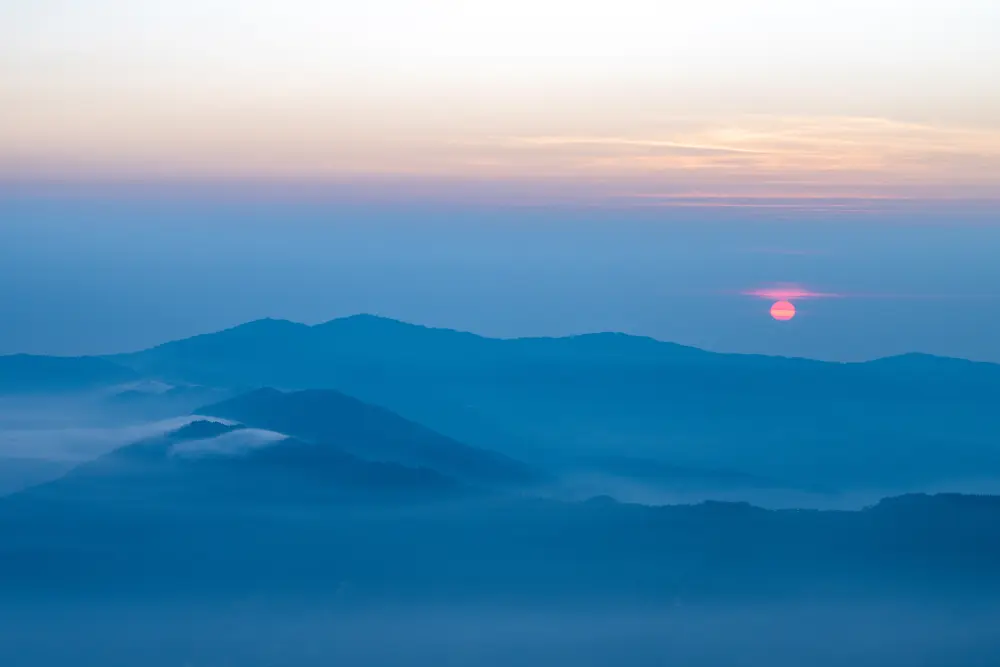
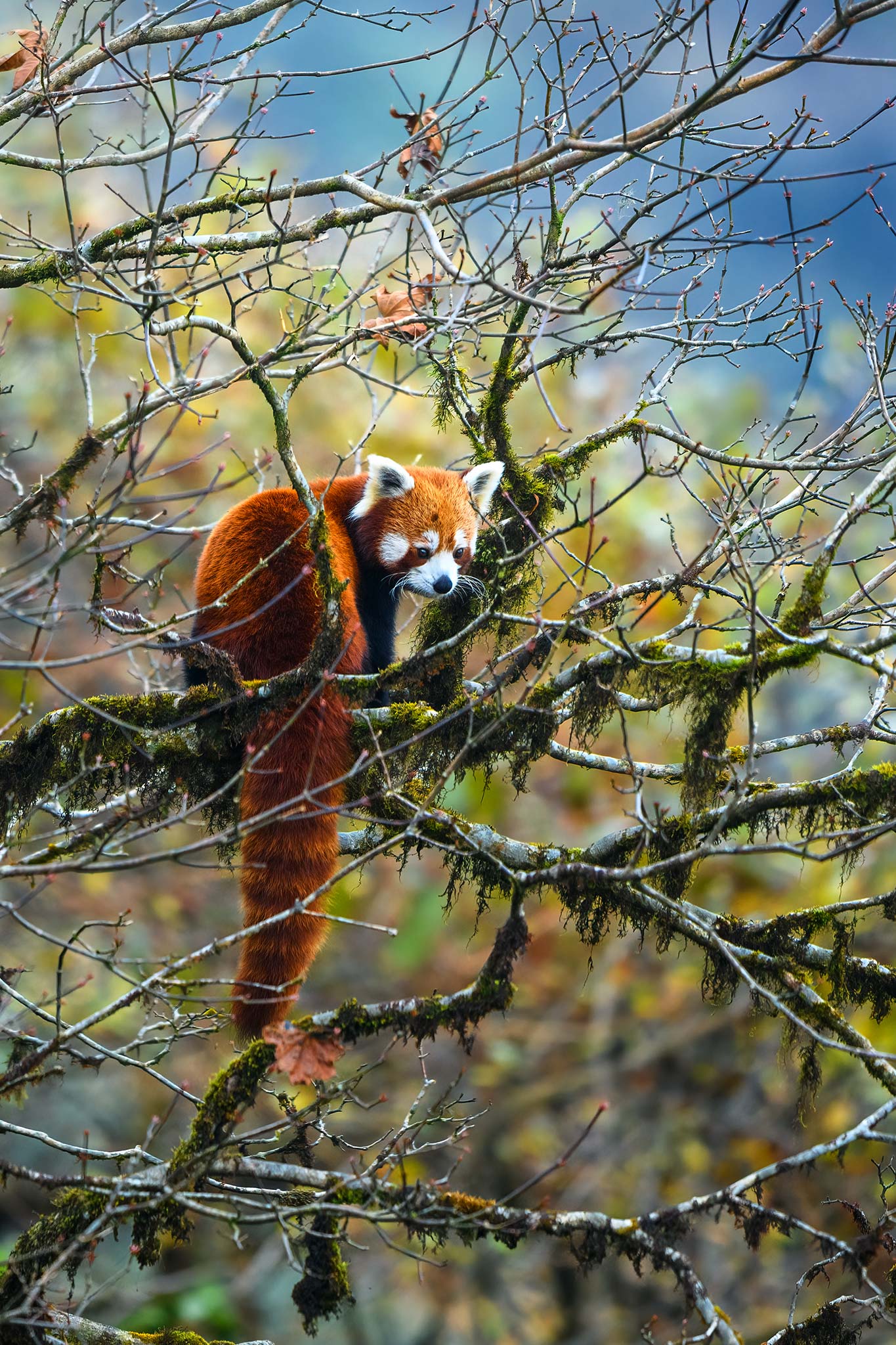
This Red Panda Photography Tour takes you deep into the Eastern Himalayas, offering a unique opportunity to explore the biodiverse landscape of Tumling and Singalila National Park. Guided by expert trackers and naturalists, you'll venture through subtropical and temperate coniferous forests to photograph the elusive Red Panda, alongside a variety of rare Himalayan wildlife and over 200 species of birds.

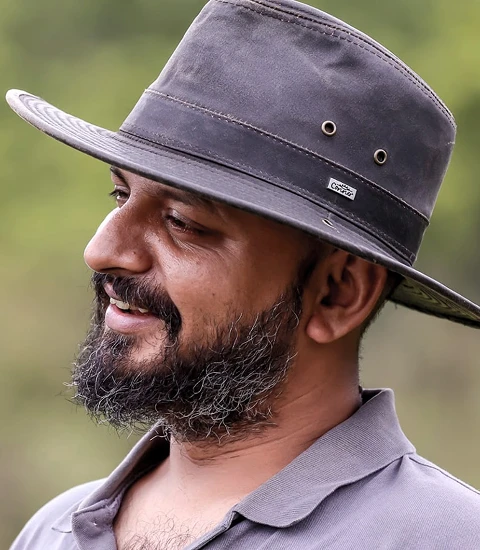
At elephUswild, we believe the true art of nature and wildlife photography is best learned in the heart of the wilderness. Guided by Som, this immersive experience teaches you to observe, anticipate, and capture fleeting moments in nature. With a focus on mastering light, understanding animal behaviour and ethical practices, Som helps you balance technical mastery with creative storytelling, turning every frame into a reflection of both the wild’s beauty and your own unique vision.


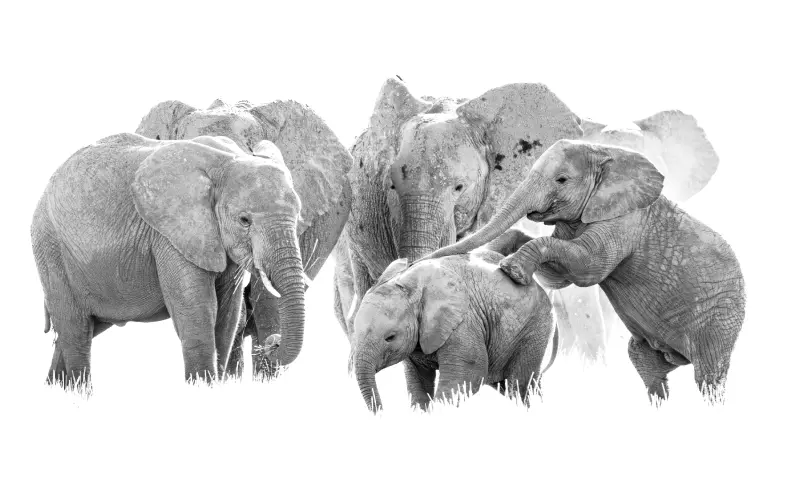
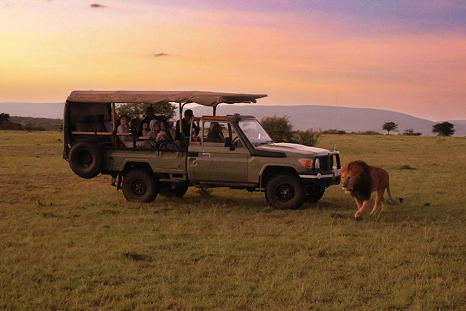
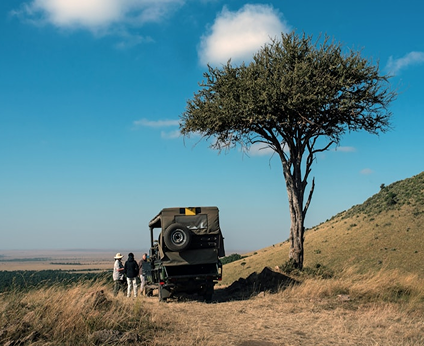
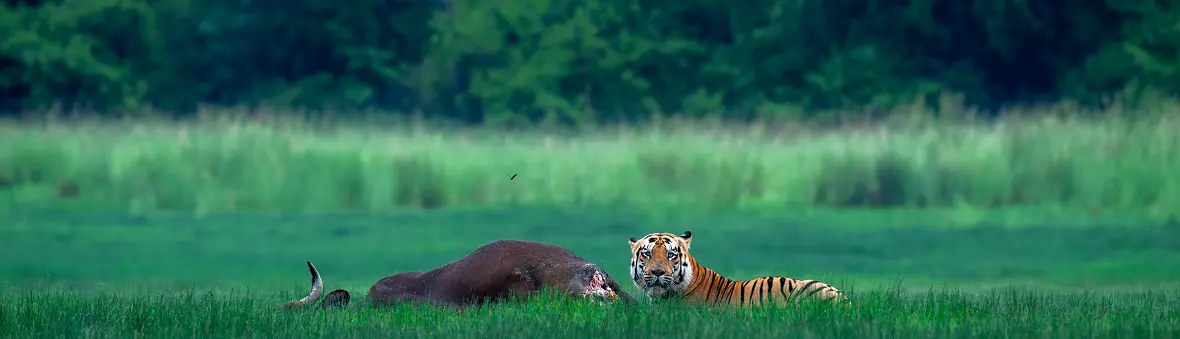
Singalila is one of the very few places in the world where you can spot and photograph the elusive red panda in its natural habitat. The misty Himalayan forests also offer breathtaking landscapes and unique biodiversity.
No, sightings cannot be guaranteed as red pandas are shy, arboreal animals living in dense forests. However, our experienced trackers and guides greatly enhance your chances of encountering them.
Apart from red pandas, the park is home to clouded leopards, Himalayan black bears, barking deer, and an incredible variety of birds, orchids, and rhododendrons, making it a paradise for photographers.
Not at all! Our tours are designed for all levels of photographers and nature enthusiasts. Mentors provide constant guidance to help you capture the best possible images.
The park lies in high-altitude Himalayan terrain (2,500m–3,600m). Gentle treks and walks are part of the experience, so basic fitness is recommended.
Yes, single room accommodation is available at an additional cost. Please connect with us for pricing details.
Yes, we offer couple discounts and special group rates. Please reach out to us directly for customized offers.
The best months are usually March–May (spring bloom) and October–December (clear skies and high chances of sightings).
Yes, it is safe. Our tours are led by trained naturalists and local trackers who prioritize your safety and comfort throughout the journey