



Tour
Timeless Tanzania

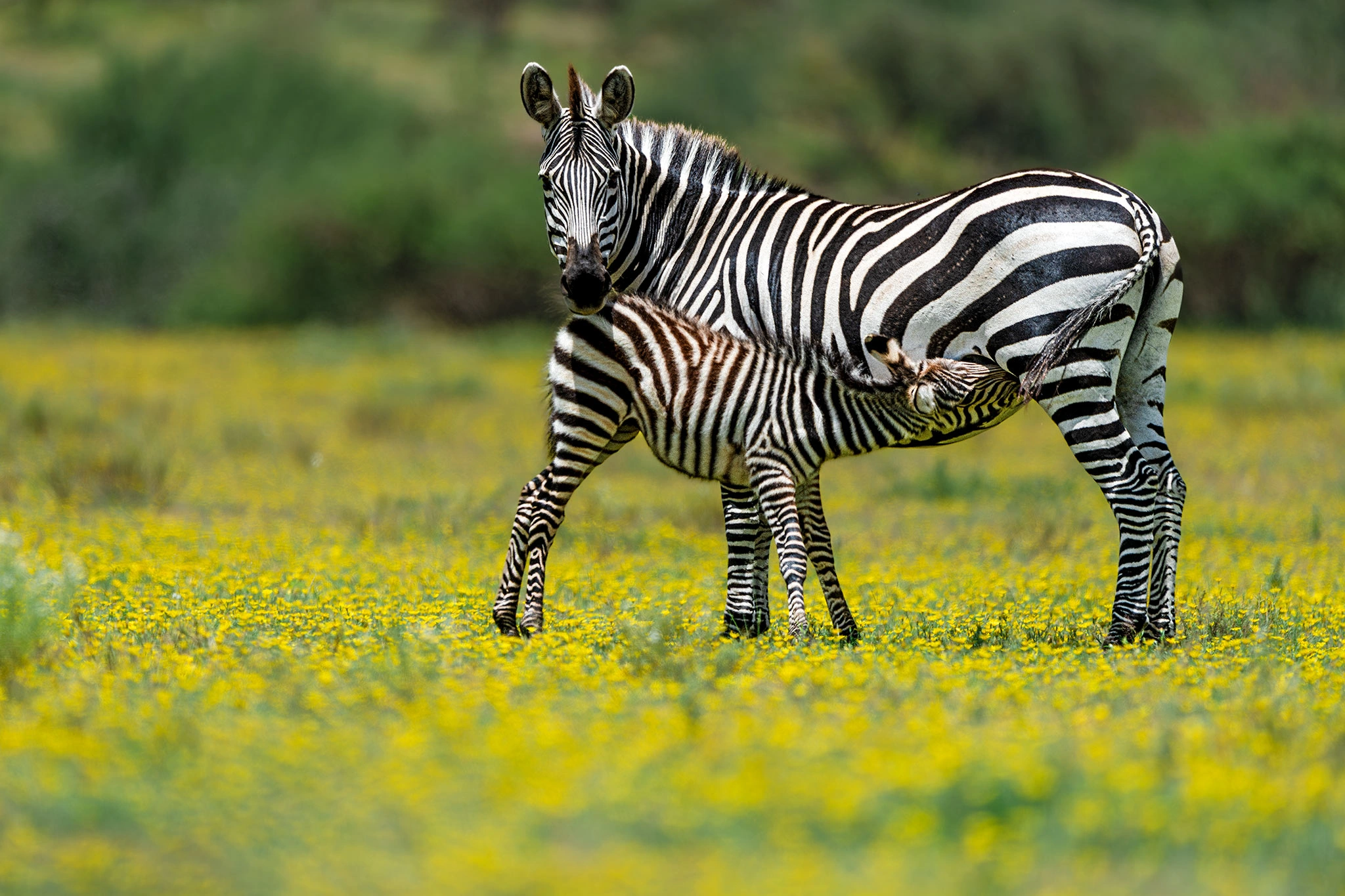

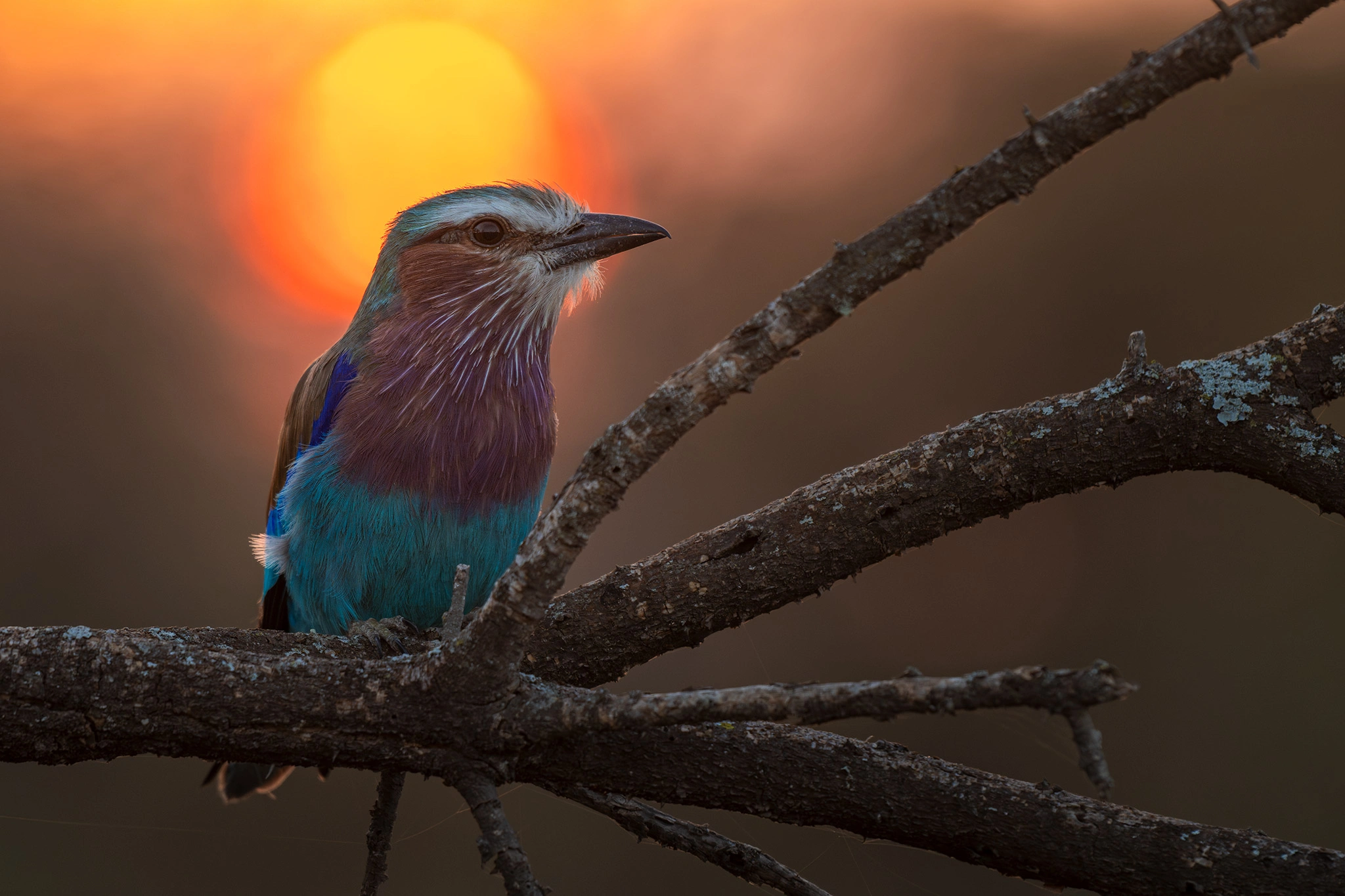
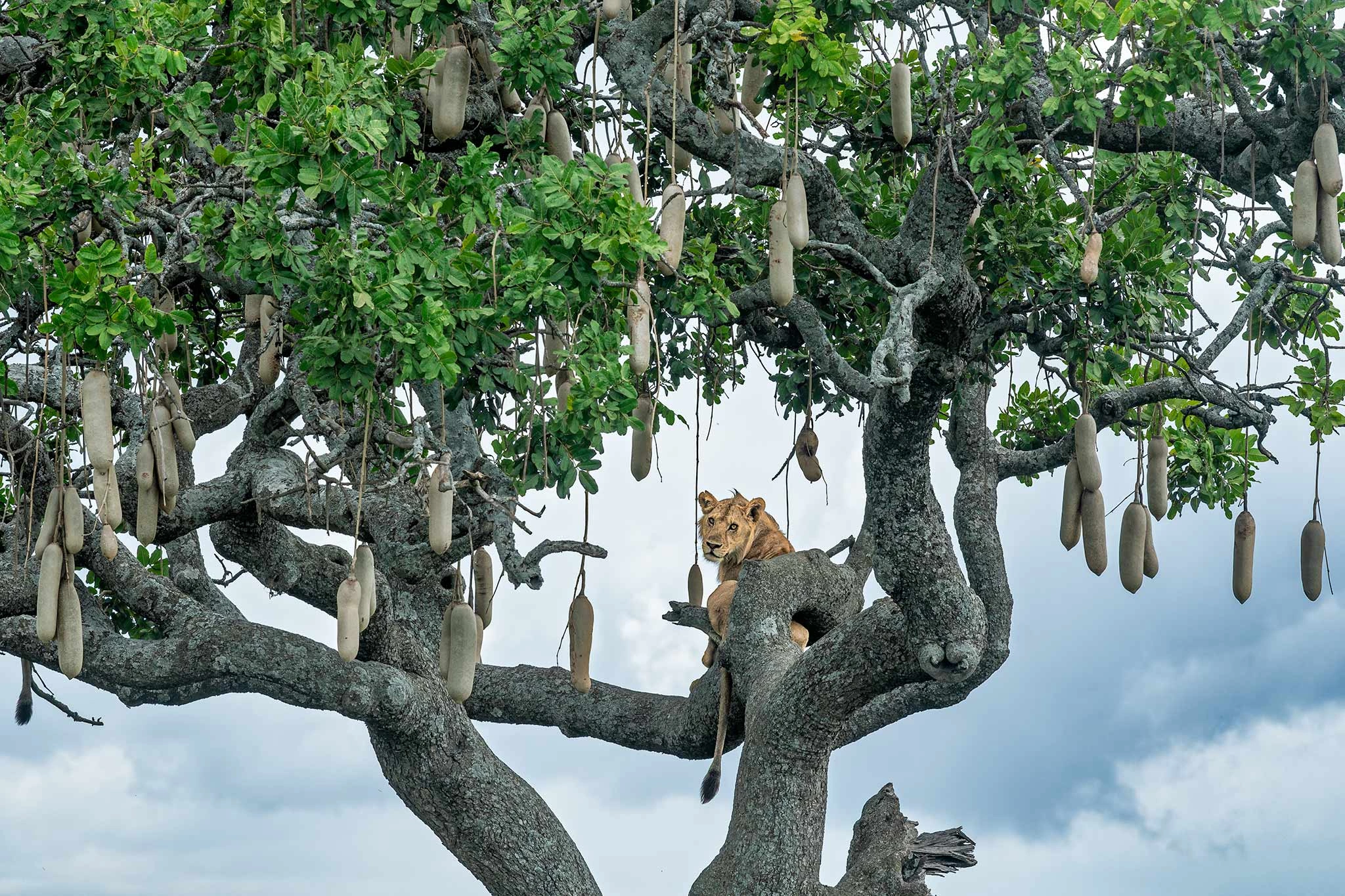
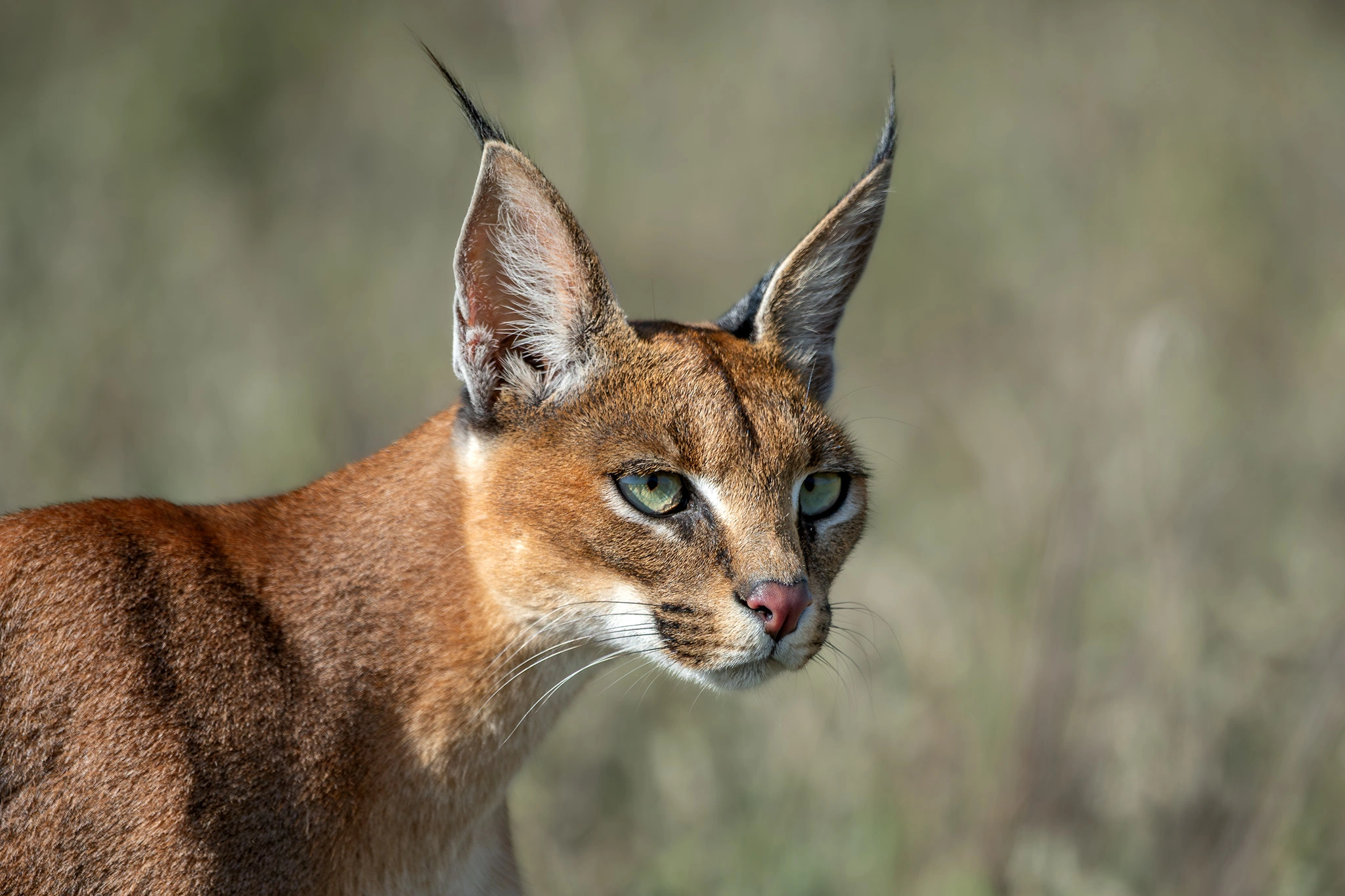
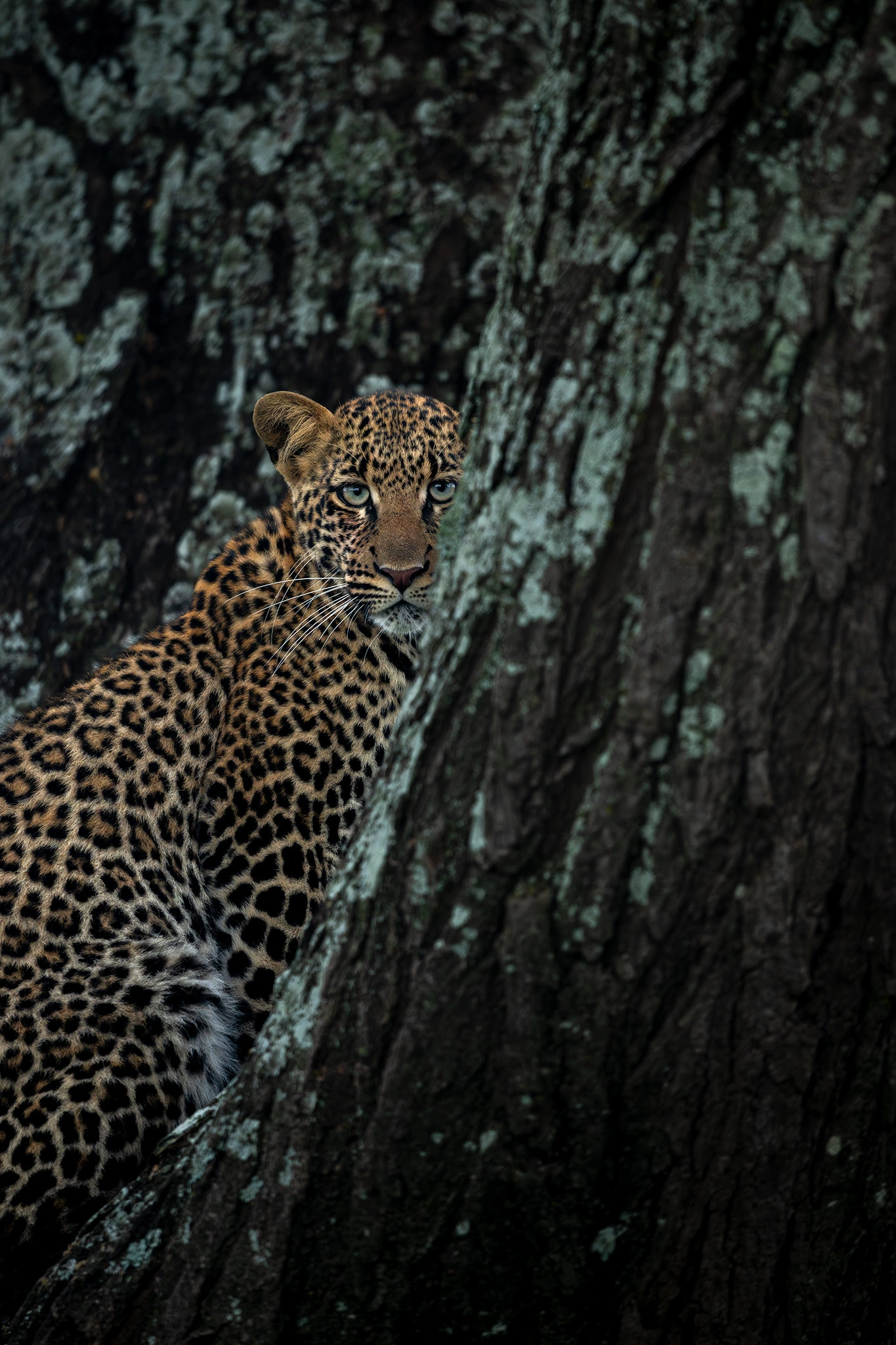
Tanzania is one of the best wildlife destinations in the world, renowned for its famous game reserves and national parks. Of all the reserves, Ngorongoro Crater, Ndutu Conservation Area, and Serengeti National Park are favourites among wildlife photographers. The Ngorongoro Crater, a UNESCO World Heritage Site, offers exceptional opportunities to view the Big Five and a wide variety of wildlife in a unique volcanic landscape. Ndutu and the Serengeti boast the greatest concentration of wildlife in Africa, and our visit coincides with the peak calving season of the Great Migration, offering unparalleled predator-prey action for photographers.

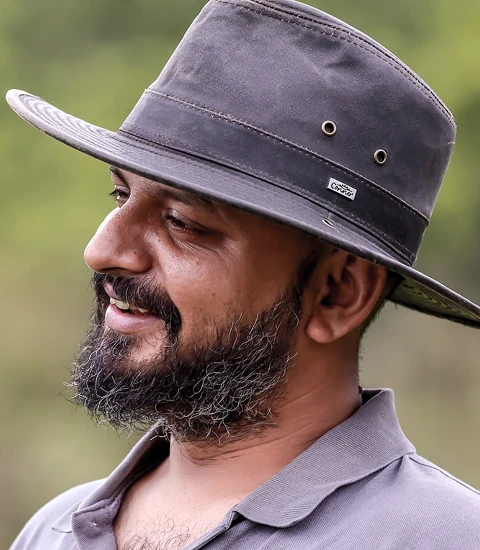
At elephUswild, we believe the true art of nature and wildlife photography is best learned in the heart of the wilderness. Guided by Som, this immersive experience teaches you to observe, anticipate, and capture fleeting moments in nature. With a focus on mastering light, understanding animal behaviour and ethical practices, Som helps you balance technical mastery with creative storytelling, turning every frame into a reflection of both the wild’s beauty and your own unique vision.


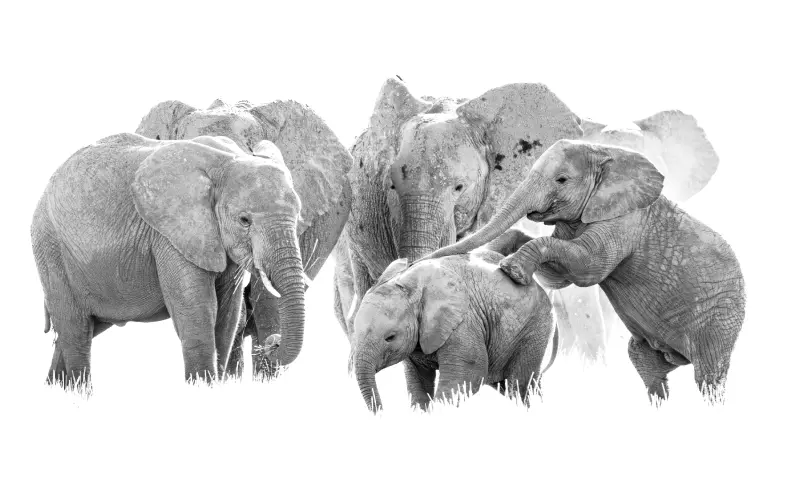
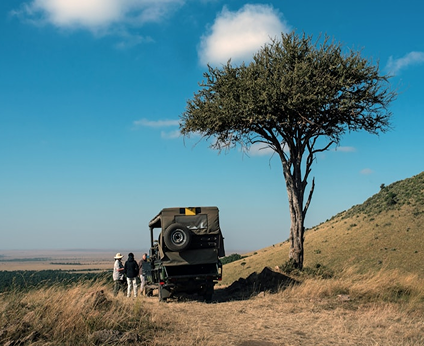
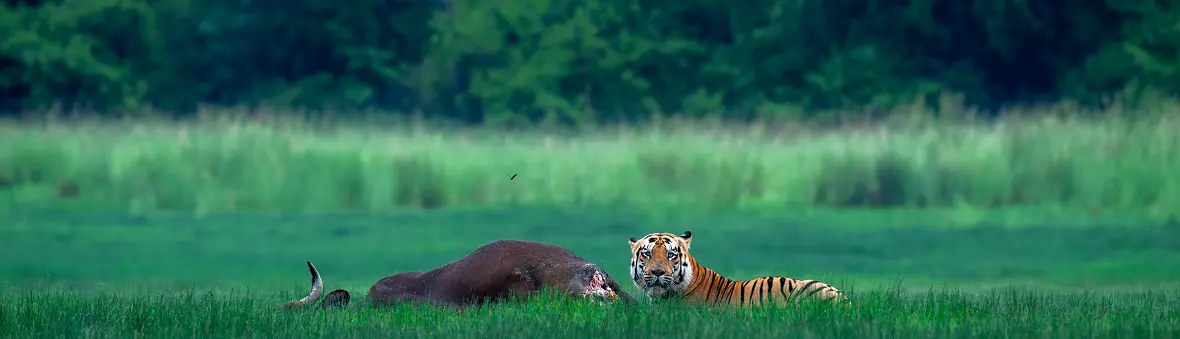
Our journey will cover Tanzania’s prime wilderness areas such as the Serengeti National Park, Ngorongoro Crater, Ndutu. These reserves are known for their breathtaking landscapes and abundance of wildlife.
Tanzania is home to the Big Five (lion, leopard, elephant, rhino, and buffalo), as well as cheetahs, giraffes, wildebeest, hippos, crocodiles, hyenas, and over 500 bird species. The Serengeti and Ndutu areas are famous for the Great Migration (seasonal movement of wildebeest and zebra) and calving activities.
June–October: Best for general wildlife viewing, cooler weather, and migration crossings in the northern Serengeti. December–March: Excellent for predator action and wildebeest calving season in the southern Serengeti.
We usually stay in comfortable safari lodges and luxury tented camps located inside or close to the parks. All accommodations are selected to balance comfort, photographic opportunities, and proximity to wildlife hotspots.
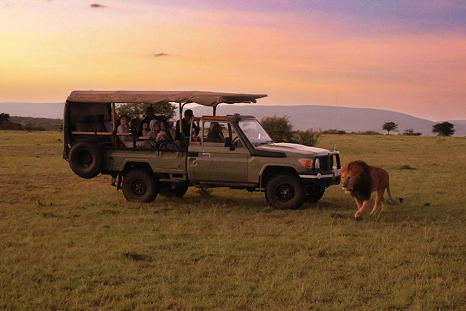
Game drives are done in customized 4x4 safari vehicles with open roofs for unobstructed photography. Each participant will have ample space, ensuring the best angles for photography.
We keep the group small and exclusive (typically 6–8 participants) to allow personalized attention and maximize photography opportunities.
Not at all! While the tour is photography-focused, it is equally enjoyable for wildlife enthusiasts, nature lovers, and those looking for a once-in-a-lifetime safari experience. Beginners are welcome, and our mentor will guide you through basic to advanced techniques.
The starting point is usually Kilimanjaro International Airport (JRO) or Arusha, depending on the itinerary. International flights are available from major cities worldwide.
Yes, most travelers need a Tanzanian tourist visa, which can be obtained online (e-visa).
It is advisable to consult your doctor. Commonly recommended vaccinations include Yellow Fever.